Anglo-Saxon origins
The name "Allerston" is of Anglo-Saxon origin — one of many settlements in the Vale of Pickering whose names carry echoes of early medieval England. A village has stood on this ground for well over a thousand years, its shape gradually refined by farming, faith and the passage of trade along what is now the A170.
St John's Church
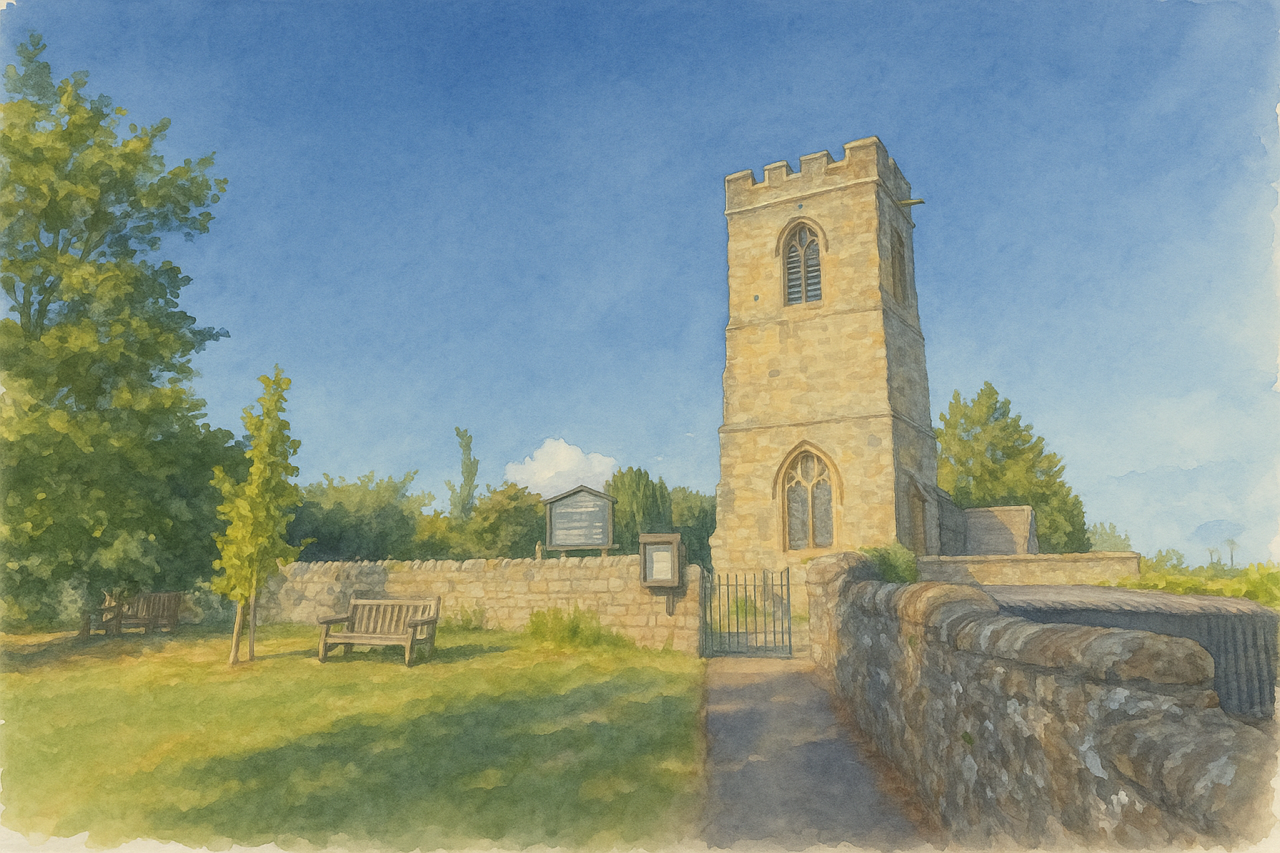
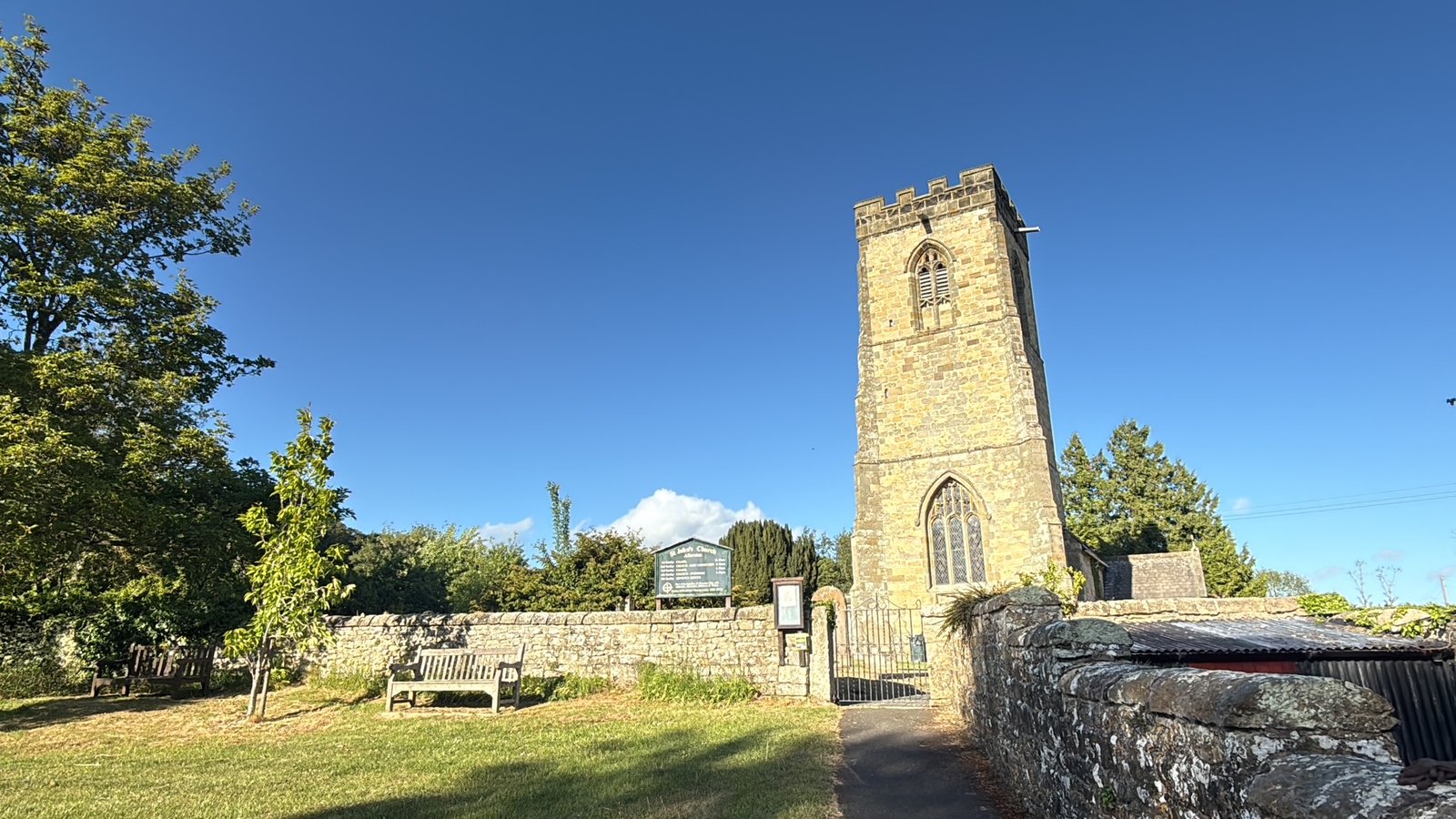
St John's Church, Allerston, is dedicated to St John the Baptist — it was originally dedicated to St Mary. The building is Grade II* listed (Historic England list entry 1149549) and dates from the early 14th century: the nave and aisle came first, with the tower added later. It was restored in 1882–83.
Set in the walls are reused stones carrying zigzag ornament, possibly salvaged from an earlier — perhaps Roman — building. Inside there is a memorial to the fallen of both World Wars. The church is part of the Benefice of Thornton-le-Dale, a group of five churches.
In an ecclesiastical context the historic parish was "Ebberston with Allerston", the two having been united in 1252. The modern civil parish is the joint Allerston & Wilton parish.
Stone and pantile
Allerston has several Grade II listed buildings. The village is characterised by traditional Yorkshire stone construction and pantile roofs — a warm, honey-toned palette that softens beautifully in evening light. These buildings are a living record of local craft and materials.
A farming landscape
Agriculture has shaped this landscape for centuries. The pattern of fields, drystone walls and hedgerows around the village reflects long-standing patterns of mixed farming, and many families here retain deep connections to the land.
Local knowledge welcome
If you have photographs, documents or family stories relating to Allerston's history, we'd love to hear from you. Please get in touch — contributions help us build a fuller picture of the village for future generations.